
Remodeling vs. Rebuilding: How to Know What’s Right for Your Home
For many homeowners, the question eventually comes up:
Should we remodel our current home… or start fresh and rebuild?
It’s not always an easy decision. A remodel can transform a home you already love, but sometimes renovations only cover deeper issues that continue to surface over time.
The truth is, both options can be the right choice depending on the condition of the home, your goals, and your long-term plans. The key is evaluating the situation honestly before committing to a major investment.
Here are the most important factors homeowners should consider when deciding between remodeling and rebuilding.
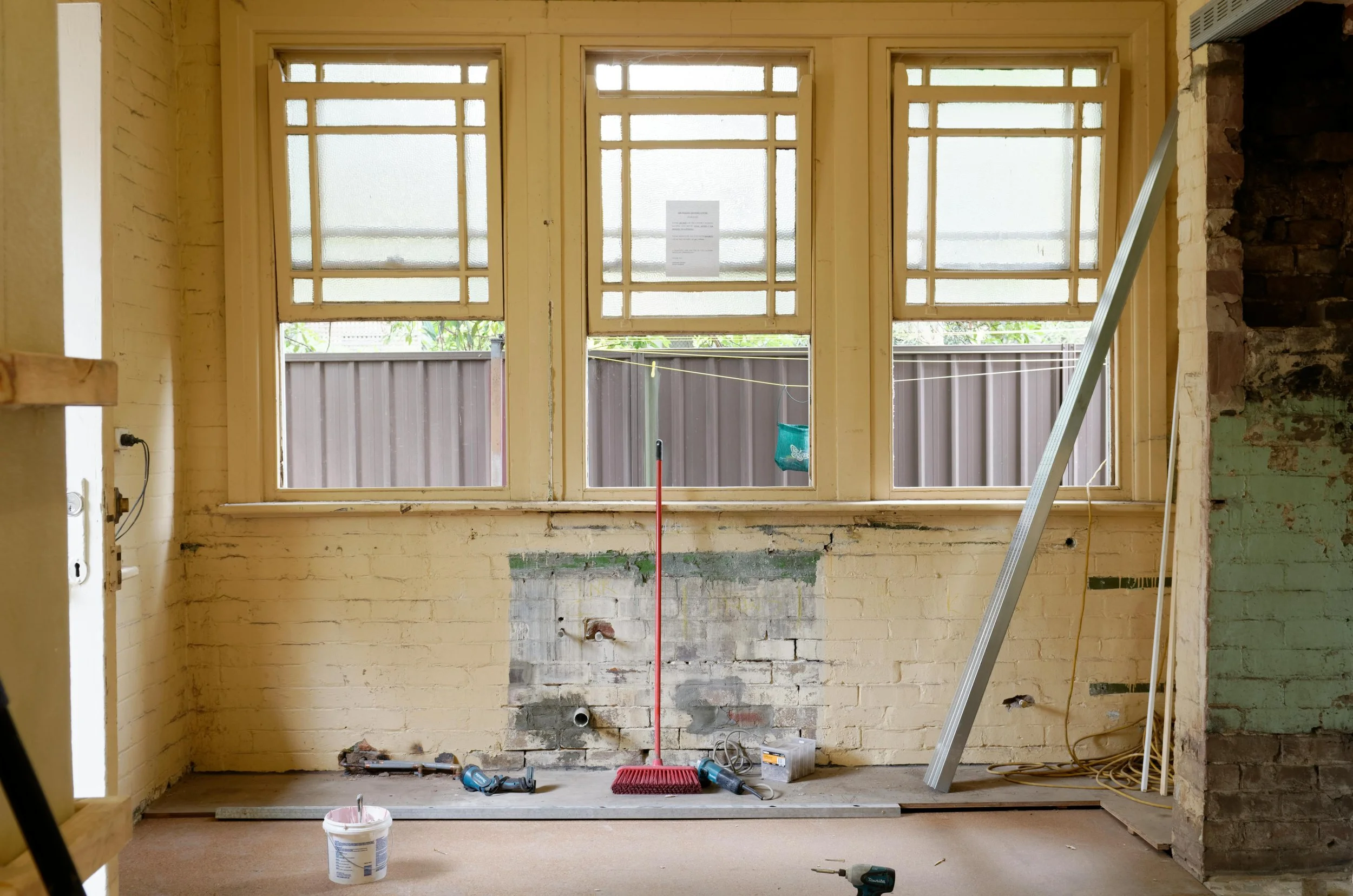
Structural Limitations
One of the first things to evaluate is the structural condition of the home.
Some houses are excellent candidates for remodeling. If the foundation, framing, and major systems are solid, renovations can update the look and functionality without major complications.
However, older homes sometimes have deeper structural issues such as:
Foundation problems
Outdated electrical or plumbing systems
Water damage or hidden structural deterioration
Framing that doesn’t support modern layouts or additions
When multiple structural systems need replacement, remodeling can quickly become more expensive than rebuilding.
In these cases, rebuilding allows homeowners to start with modern materials, updated building codes, and a structure designed to last for decades.
Layout Inefficiencies
Another major consideration is the layout of the home itself.
Many older houses were built for a completely different lifestyle. Smaller kitchens, closed-off rooms, and limited storage were common decades ago. Today’s homeowners often prefer open living spaces, larger kitchens, flexible workspaces, and better natural light.
While remodeling can improve layouts, certain homes simply weren’t designed to be easily reconfigured.
Load-bearing walls, stair placement, or narrow structural footprints can limit how much a floor plan can realistically change without major reconstruction.
In some cases, homeowners spend significant money trying to force a modern layout into a structure that wasn’t designed for it.
Rebuilding allows the home to be designed around the way you actually live today.
Long-Term Resale Value
Another important question to ask is how each option affects the future value of the property.
A well-executed remodel can absolutely increase resale value, especially when it modernizes kitchens, bathrooms, and living spaces.
However, there are situations where extensive remodeling still leaves the home with certain limitations—such as a small footprint, awkward layout, or outdated structural systems.
In contrast, rebuilding gives homeowners the opportunity to create a property that aligns more closely with current market expectations.
That might include:
Larger living spaces
Modern architectural design
Energy-efficient systems
Updated building materials
For homeowners thinking about resale in the next 10 to 20 years, rebuilding can sometimes position the property more competitively in the market.
Cost Comparison Over 10–15 Years
At first glance, remodeling often appears less expensive than rebuilding. But the real comparison should look beyond the initial price tag.
Homeowners should consider how costs may accumulate over the next decade or more.
For example, a large renovation might still leave older systems in place that require replacement later, such as:
Roofing
HVAC systems
Plumbing infrastructure
Electrical panels
Rebuilding typically includes all new systems from the start, which can significantly reduce maintenance and repair costs in the early years of ownership.
When viewed over a 10–15 year timeframe, the total investment between remodeling and rebuilding can sometimes be closer than homeowners initially expect.